You are now leaving Centuria Australia
and entering Centuria New Zealand.
Since the pandemic, the story of office property has often been framed in stark terms: hybrid work rose, CBDs quietened, vacancies increased and values fell. This led many investors to underestimate the sector’s ability to adapt and evolve, especially given the phrase “office is dead” gained widespread media attention.
That narrative has been overstated and the situation is less extreme than the headlines suggest.
Australia’s office sector is positioned at a significant inflection point, whereby:
This reset means the office sector is showing signs of recovery, particularly in prime assets. With underlying fundamentals strengthening in well-located, high-quality assets and several structural tailwinds in play, it is re-emerging as an appealing asset class for property investors seeking attractive levels of income in medium-to-long term.
While the outlook for interest rates remains uncertain, greater clarity around work habits have contributed to stabilisation within the office sector.
Recent sales show that prime CBD office yields have adapted to higher rates, and transaction activity is picking up as price expectations become more realistic.
Overall, the office market has changed but the fundamentals remain sound. Demand is now more selective, focusing on quality, rather than being permanently reduced.
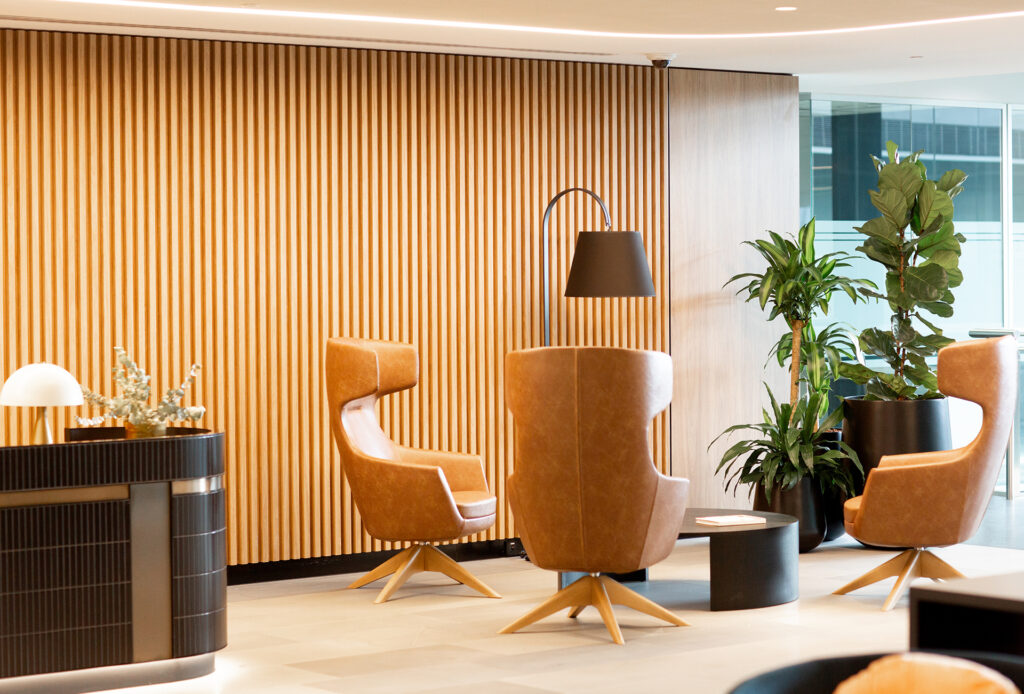
Hybrid work is here to stay but that doesn’t mean office demand has disappeared. Many jobs still need collaboration, client contact and special facilities. Meaning offices are now used intentionally for teamwork, culture building and supporting employee wellbeing.
Leasing data from 2024-25 provides valuable insight into office occupancy trends. While some large tenants have downsized or rightsized due to previously holding surplus space, smaller tenants have generally increased their office footprint. Notably, net absorption—defined as the difference between newly leased office space and space vacated—has remained largely stable, suggesting that aggregate demand persists despite changes in tenant behaviour.
Leasing activity has been strongest in prime office locations, as tenants seek high-quality spaces in convenient areas. This development has two significant implications:
For advisers and high net worth investors, the key question is no longer “will people come back to offices”. The more useful question is: “which offices will they come back to?”
High vacancy rates can make it look like there’s too much office space, but that’s not the whole picture.
Most new buildings finishing now were planned before the pandemic. At the same time, rising construction and funding costs mean fewer new projects are starting. And in many cases, projected rents do not justify new development, so the pipeline of future office projects has thinned considerably in most major markets.
Older offices are also being converted or removed because they don’t meet modern expectations on sustainability, facilities or workplace design. This is reducing the pool of quality, modern office space.
As a result, most vacancies are in older buildings, while top-grade offices in good locations have lower vacancy and stronger demand. In simple terms, there is not enough of the right kind of office.
Recent years have seen higher leasing incentives and softer valuations in the Australian office sector, causing yields to temporarily contract. However, this does not mean office yields will keep falling indefinitely.
These movements largely reflect cyclical factors—such as rising interest rates and elevated vacancy rates—not permanent structural change. Importantly, the most generous incentives are concentrated in older, secondary-grade assets that no longer meet modern tenant needs. Prime office buildings in strong locations continue to deliver competitive yields compared to other sectors.
Investors who understand these dynamics may view office as a viable sector, with fundamentals positioned to strengthen over the medium term.
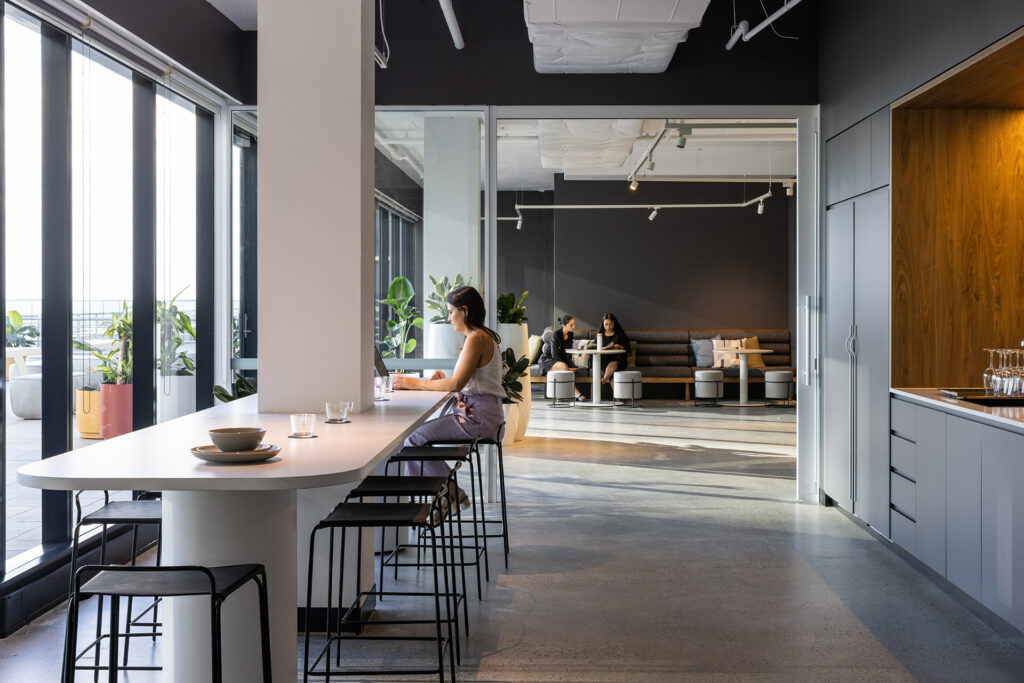
Looking beyond the immediate reset, several structural drivers support the medium-to-long term outlook for the office sector of the Australian commercial property market.
Development feasibility is constrained by higher funding costs, construction inflation and tighter regulatory requirements, particularly around sustainability. Very few new prime office buildings are commencing without strong pre-leasing.
This limited new supply creates a supportive backdrop for existing quality stock, and increases the importance of holding well located, income-producing office assets through the cycle.
Tenants are voting with their feet. Office space that offers strong environmental performance, efficient floorplates, natural light and modern facilities are attracting interest, while poorer quality space sits vacant.
This concentration of demand feeds into lower vacancy, stronger pricing power and better retention prospects for owners of quality office buildings in the right locations and reinforces the gap in performance between prime and secondary assets.1
Office demand is closely linked to economic activity and white-collar employment growth. Australia’s population is projected to grow, especially in the capital cities that anchor the office market.
CBRE’s 2024 Demand for Australian Real Estate report, for example, projects that Australia’s population could rise by roughly 15% to more than 30 million by 2033. Over the same period, they expect the workforce to add around 2.6 million people.
Many of the industries driving that employment growth, including professional services, technology, healthcare and education, rely on centrally located office space to connect staff, clients and partners.
Taken together, this demographic tailwind underpins the office sector in two key ways:
Office is a heterogeneous asset class. Outcomes will differ by city, by sub-market and by building. The path to recovery will not be perfectly smooth, and investors should expect ongoing dispersion between prime and secondary assets, and between stronger and weaker locations.
Selectivity matters.
Focusing on well located, sustainable office buildings with strong tenant covenants and clear access to transport and amenity provides exposure to the parts of the office space market that are already showing resilience.
Combining that focus with active asset management and careful attention to lease structures can support income stability while preserving the potential for rental reversion as conditions tighten.
The bottom line is that the Australian office sector is not in structural decline. And for investors, the implication may be that quality office assets, being those that combine the right location, building quality and tenant mix could benefit if the demand and supply balance continues to quietly turn in their favour (subject to market conditions).
1. Guide to Commercial Office Investment, Centuria (May 20 2022).
The information and data contained in this webpage is current as at the date of preparation, unless otherwise stated, and is subject to change without notice.